Grid Intelligence Platform

Forecast grid load.
Cut balancing costs.

GridKern gives utility operators 15-minute-ahead load forecasts and automated demand-response dispatch — built on models trained on 7 years of SCADA telemetry.

See the Platform Request Demo
97.3%
Day-ahead forecast accuracy (MAPE)
43ms
Median API response latency
15min
Shortest lookahead interval
$2.1M
Avg. annual balancing savings per operator
Core Capabilities

Built for control room operators, not data scientists

GridKern surfaces forecast data directly into EMS/SCADA workflows. No model tuning required. No separate analytics team needed.

Short-Interval Load Forecasting

Probabilistic forecasts at 15-minute resolution for up to 72 hours ahead, with confidence intervals updated on every SCADA polling cycle.

Demand-Response Dispatch Engine

Automated curtailment signals dispatched to enrolled DR assets when forecast-vs-actual deviation crosses configurable MW thresholds.

Renewable Generation Integration

Solar and wind output forecasts ingested alongside load, so net-load predictions account for variable generation without manual correction.

Historical SCADA Ingestion

One-time bulk import of raw interval data trains the base model. Ongoing sync via DNP3 or REST keeps forecasts calibrated to your grid's actual behavior.

Imbalance Alerting

Real-time push alerts when projected net load approaches reserve margins, giving dispatchers lead time before an imbalance event materializes.

NERC Compliance Reporting

Automated generation of BAL-001 and BAL-002 performance reports. Audit-ready logs exported to your existing regulatory reporting workflow.
Integration Path

Operational in four steps

Most utilities complete onboarding in under three weeks. No custom engineering required on your side.

1

Connect SCADA

Configure DNP3, Modbus, or REST polling. GridKern validates data quality and flags anomalous intervals before ingestion.

2

Train Base Model

Upload 6–24 months of historical interval data. The ensemble model calibrates to your feeder topology and load profiles within 48 hours.

3

Configure DR Rules

Define MW thresholds, enrolled asset lists, and dispatch sequencing in the operator console. No code required.

4

Go Live

Forecasts feed into your EMS via the ISO-standard schedule feed. GridKern runs as a background service — no operator workflow changes.

Platform Preview

Forecast accuracy you can measure in dollars

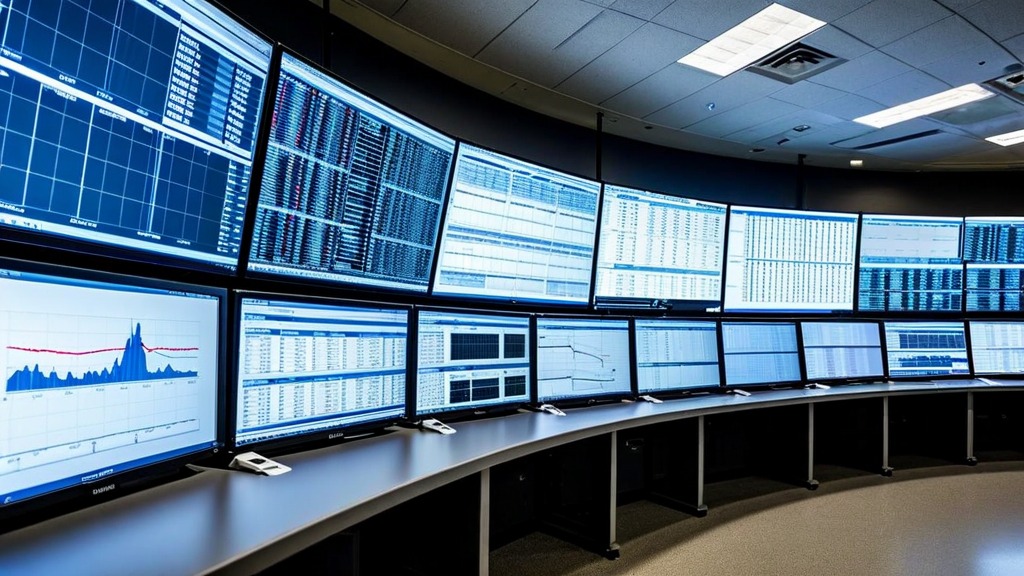
The GridKern operator console shows current net-load forecast, confidence bands, real-time actual deviation, and queued DR asset availability — all in a single view designed for 60-second decision cycles.

Dispatchers don't navigate menus. The screen answers the question: Do I need to dispatch, and by how much?

Explore the Platform
GridKern operator console showing load forecast and demand-response dispatch interface
From the Field

What operators say

"We were running day-ahead forecasts with 4–6% MAPE and accepting the balancing cost as a fixed overhead. GridKern's 15-minute updates cut that to under 1.8% within six weeks."
Director of Grid Operations
Municipal Utility, Texas Interconnect
"The DR dispatch rules took less than a day to configure. We've deferred two peaker starts this summer that previously would have been automatic."
Senior System Dispatcher
Electric Cooperative, PJM territory
"BAL-001 reporting used to take two engineers four hours every month. GridKern generates the export in the console. I clicked a button."
Compliance Officer
Investor-Owned Utility, MISO region
Get Started

Run a 30-day pilot on your own interval data

We import your historical SCADA export, train the model, and show you forecast accuracy numbers before you commit to a contract.

Start Pilot Program View Pricing